Philosophy

Teaching as an extension of research

My teaching is shaped by a simple commitment: to be the guide I needed as a first-generation student growing up. I work to create multiple pathways for participation and design courses in which students learn to question and think critically, and to understand the systems around them.

Drawing from my research, I encourage students to move from passive media consumption to critical, ethical engagement through analysis, digital storytelling, and applied projects. I strive to create classrooms that are structured, inclusive, and intellectually rigorous — spaces where students feel supported to question assumptions and develop confidence as communicators in complex media environments.

My philosophy is simple: bring a passion for learning, maintain a clear vision for progress, and remain committed to student growth. In addition to my teaching, I mentor students and frequently give guest lectures.

I approach teaching as an extension of my research on media, power, and ignorance. My goal is not only to build skills, but to develop students who can engage thoughtfully and ethically with the world they are entering.
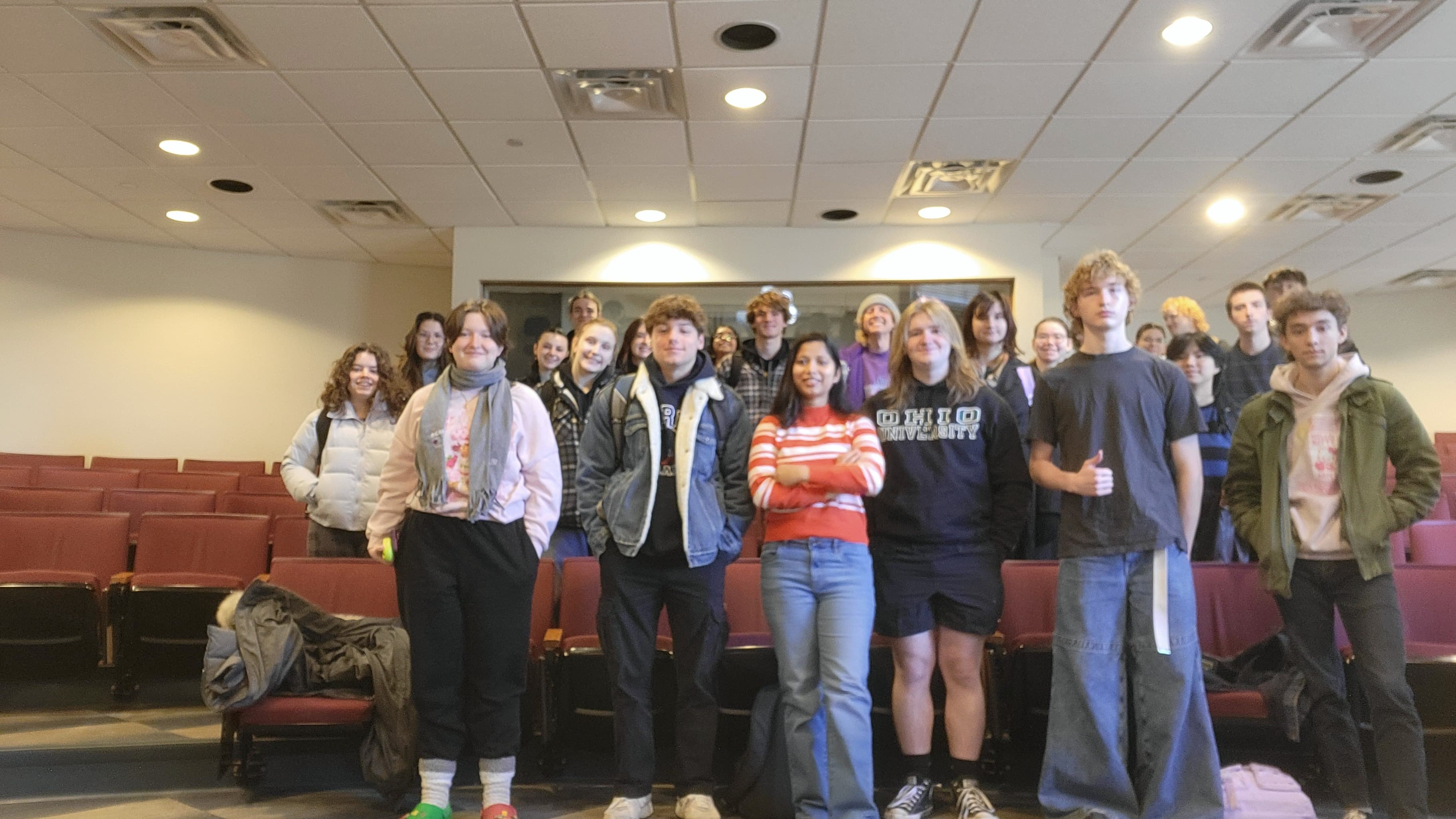
Teaching
🏆 Outstanding Instructor Award, 2024
Scripps College of Communication, Ohio University
100% Encouraged
Critical Thinking
4.67 Enthusiasm
Rating (out of 5)
100% Would
Recommend
90% Rated Very
Knowledgeable
Instructor of Record · 8 Semesters (2022–2026)

Courses Taught

Ohio University · Scripps College of Communication

MDIA 4120

Advanced Social Media

Upper-level course on digital identity, platform strategy, audience engagement, analytics, and applied storytelling. Students develop advanced skills in social media management and campaign design.

MDIA 2113

Social Media Introduction

Foundational concepts of digital communication ecosystems, platform structures, strategic communication, and ethical online engagement. Students learn to analyze social media environments critically and professionally.

MDIA 2010

Media Analysis and Criticism

Introduction to critical frameworks for analyzing how media constructs meaning, identity, power, and social reality. Students develop tools to read media texts with analytical precision and ethical awareness.

COMS 1030

Fundamentals of Public Speaking

Foundational course developing students' oral communication skills, argumentation, audience analysis, and presentation confidence through progressive speech assignments.

Courses Assisted (Teaching Assistant)

MDIA 2011

The Business of Media

MDIA 1010

Evolution of Media

Course Development

Curriculum Contributions

  • Co-created Social Media Certification course for eCampus (Ohio University online platform)
  • Integrated research-based blogging assignments connecting theory to current events
  • Designed applied projects requiring students to analyze real campaigns and create strategic communication plans
  • Developed course modules incorporating agnotology and critical media literacy frameworks
Student Voice

What Students Say

Students reported that research-related projects and blogging assignments increased their engagement, confidence, and professional skills. Many appreciated the supportive learning environment that encouraged them to explore topics connected to social issues and communication challenges.

This course has been one of the most engaging I've taken. I now notice media theory in everyday life.
The class environment felt safe and comfortable, which made it easier to participate and ask questions.
The way the course was structured made complex ideas easier to understand and apply.
She is genuinely invested in making sure students understand the material, not just complete assignments.

Syllabi available upon request. Contact via the contact page.