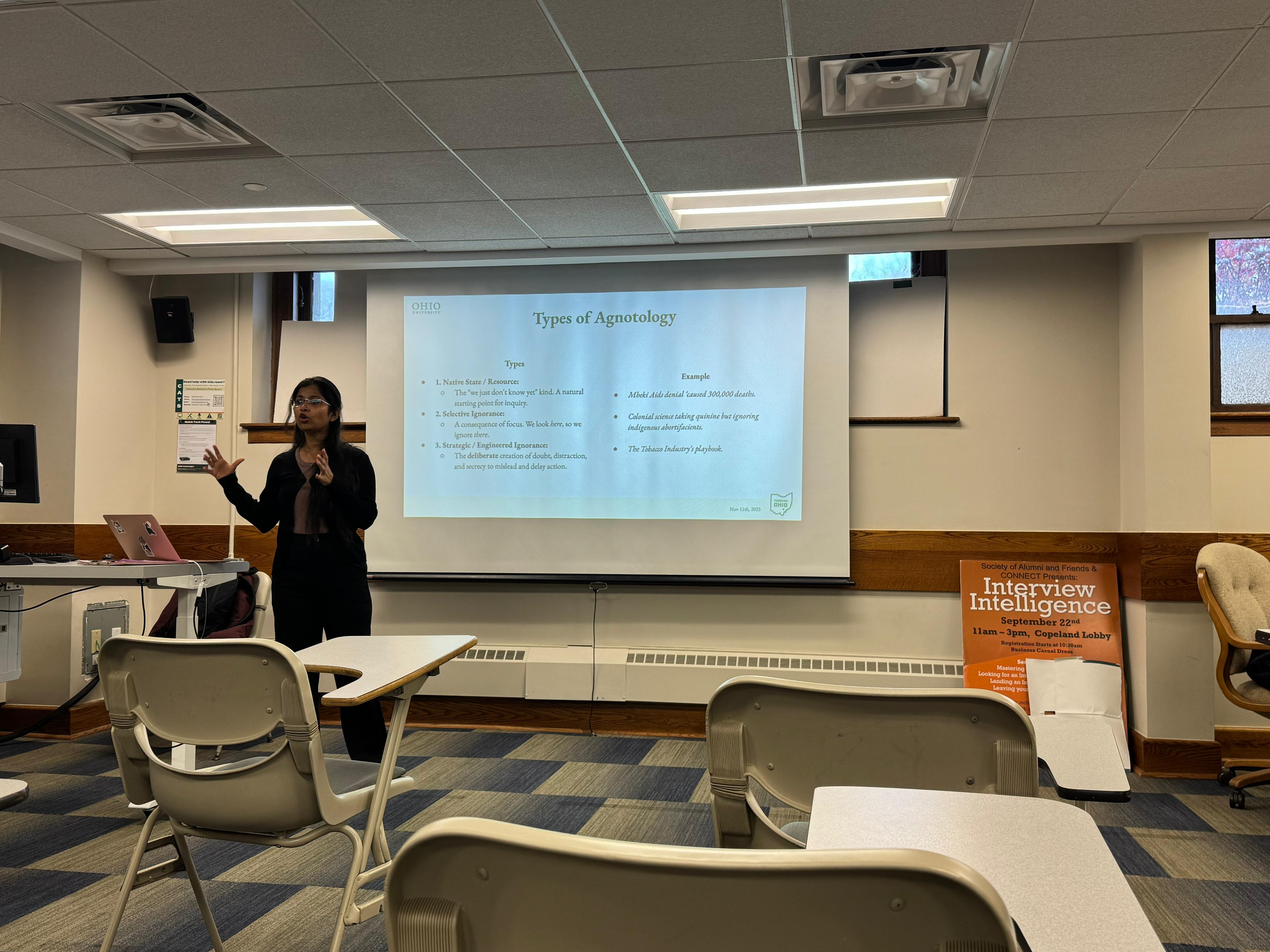
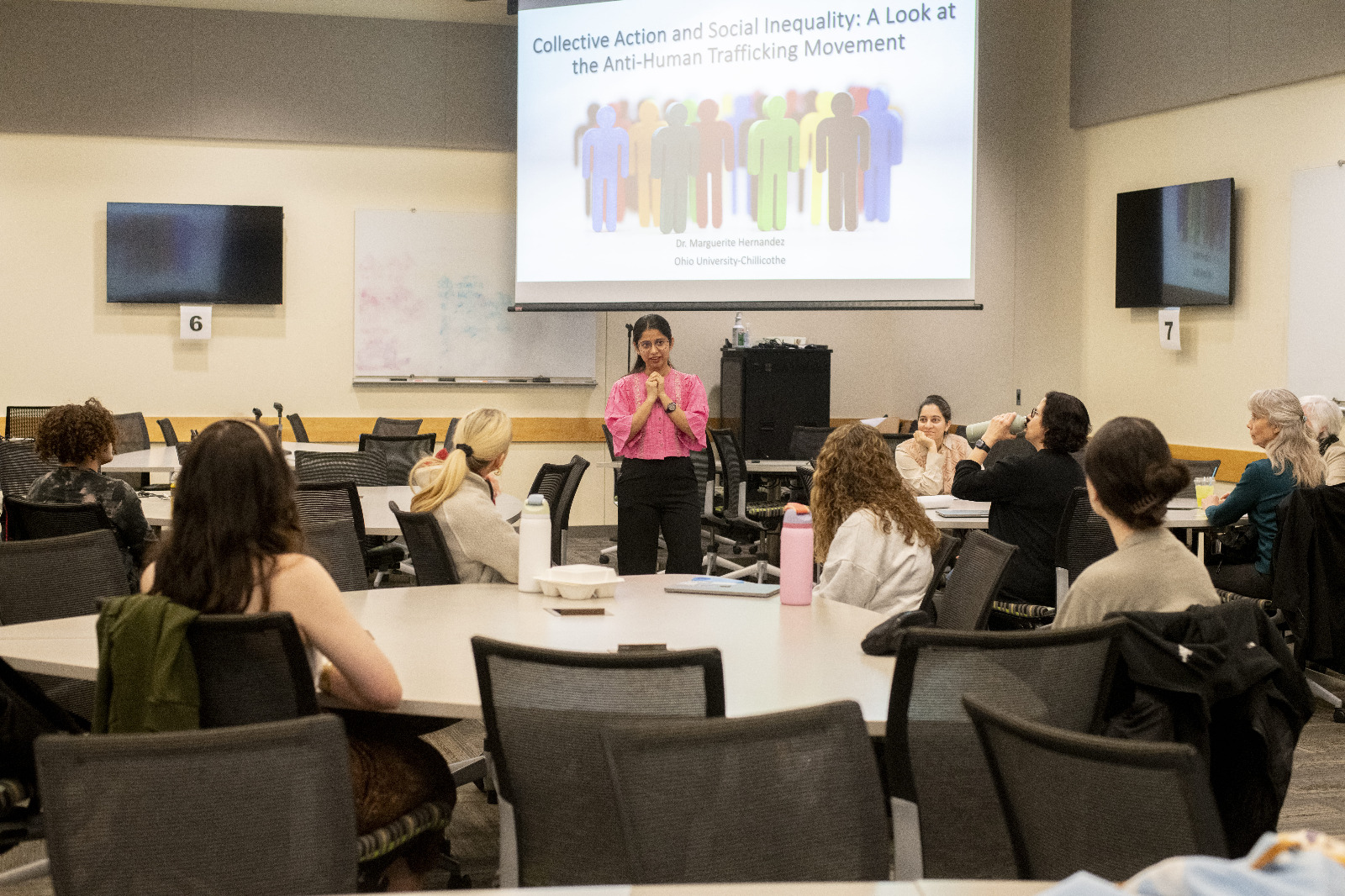
I am a Ph.D. Candidate in Mass Communication at Ohio University, working in agnotology — the study of how ignorance is produced, sustained, and circulated through media and institutional communication.
I am interested in what remains unseen, unheard, or misunderstood in public discourse, and why. My research investigates why critical social issues such as human trafficking, environmental health hazards, and health inequities remain deeply misunderstood despite widespread information. Rather than asking why awareness is lacking, I examine how communication itself contributes to gaps in understanding.
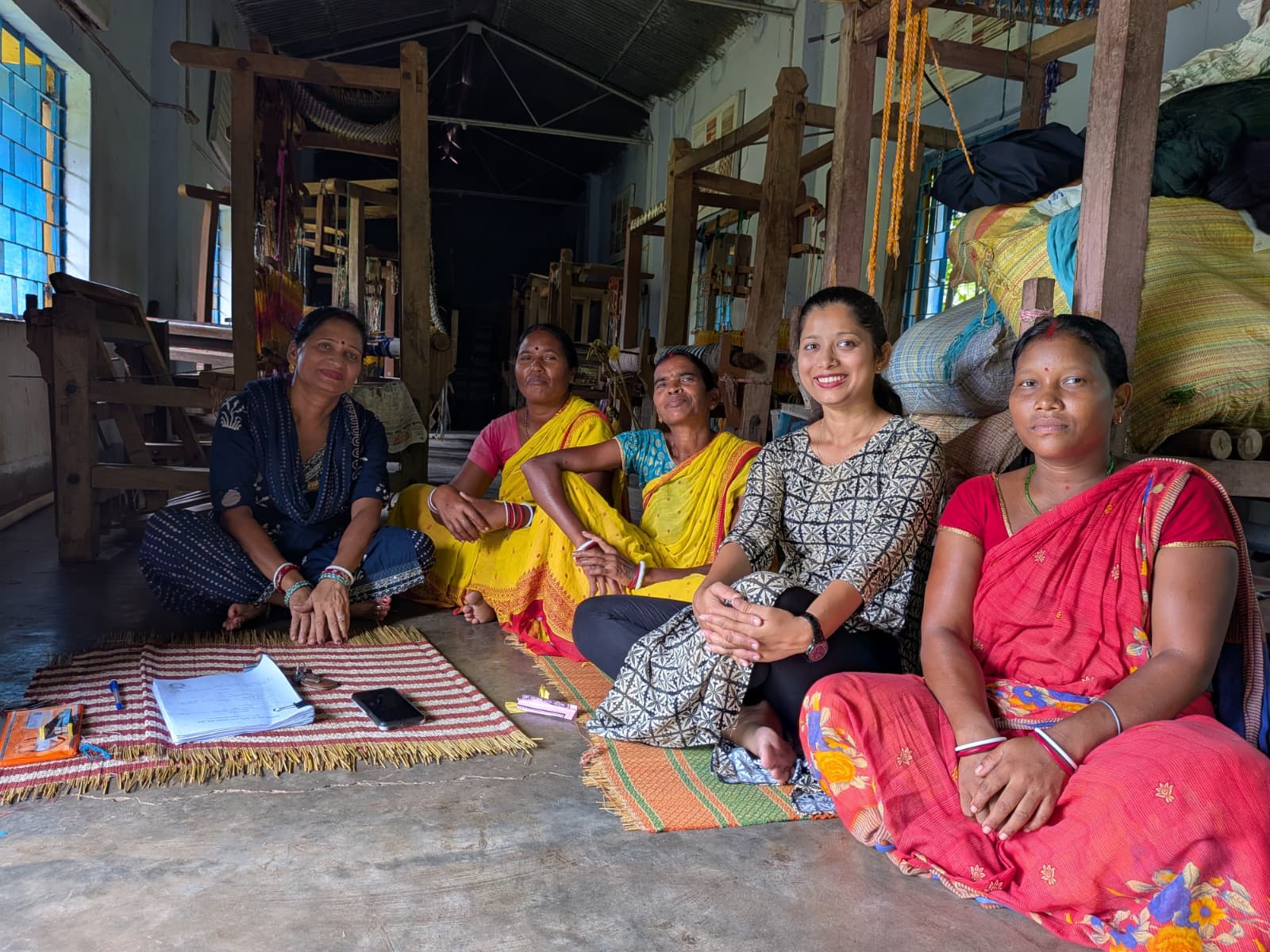
Through 100+ interviews across India and the United States, and analysis of multiple large-scale datasets, I study how institutional narratives often fail to align with lived realities. Working with NGOs, journalists, healthcare workers, police, and community members — particularly in Indigenous communities — I examine how knowledge is framed, prioritized, or excluded. These misalignments, I argue, do not stem from a lack of information, but from how power shapes what communities are told, what they experience, and whose voices are heard.
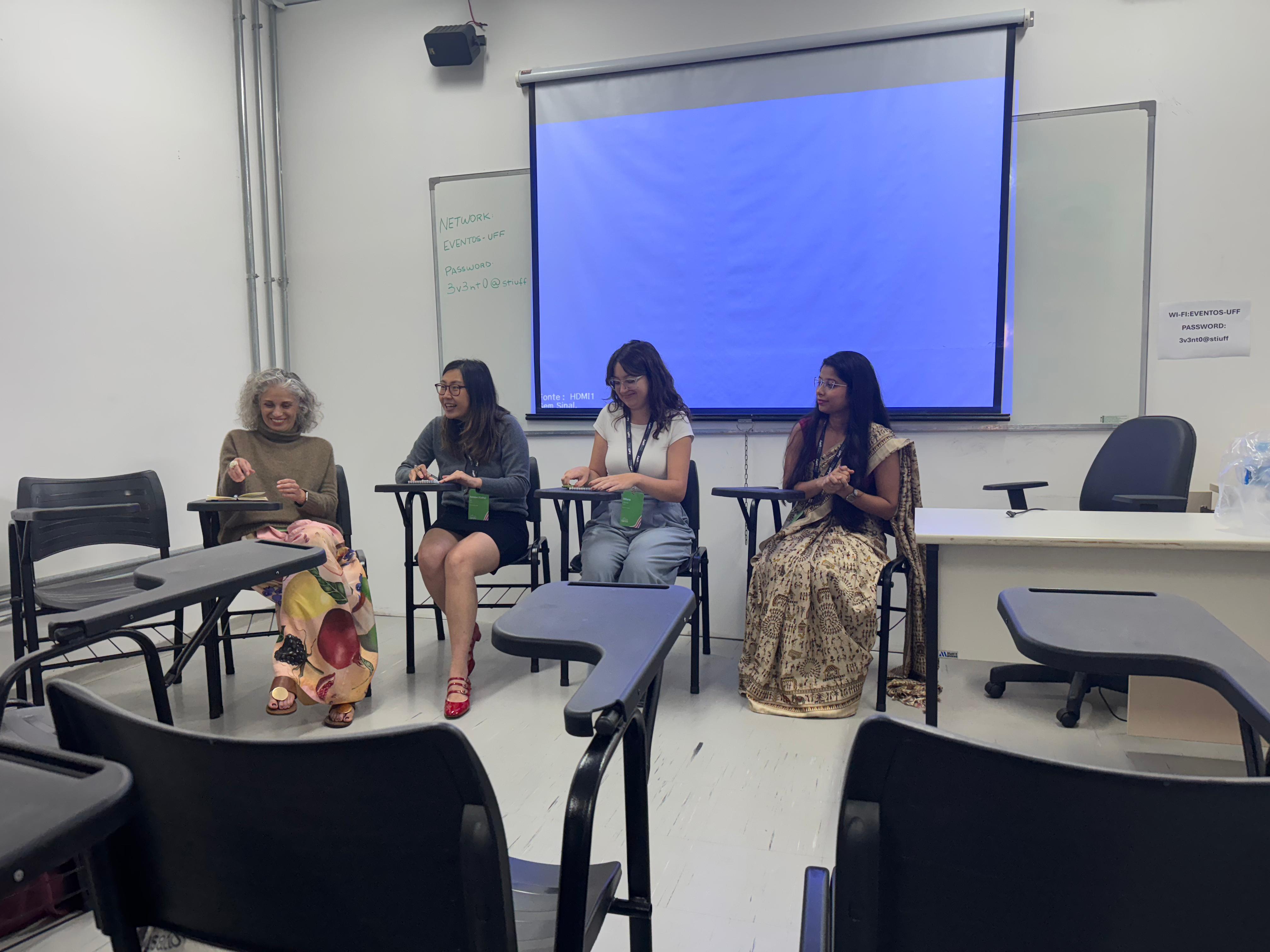
My work spans human trafficking prevention, health communication, environmental justice, and media representation. I have conducted multi-state research in India, collaborated with tribal communities, published in peer-reviewed journals, co-edited two book volumes, and presented work at international conferences, including IAMCR, NCA, APHA, AoIR, and AEJMC.
Communication can inform, but it can also erase. It can protect, but it can also reproduce harm.
My goal is to develop culturally grounded communication frameworks that move beyond awareness toward prevention, accountability, and justice. I approach scholarship as a form of responsibility — committed to inquiry that centers the communities most affected by the issues I study.
This perspective also shapes how I teach. As an Instructor of Record with eight semesters of teaching experience and recognition through my department's Outstanding Instructor Award (2024), I encourage students to think critically about media systems, power, and representation, and to connect theory with the world around them. I see teaching, research, and community engagement as deeply connected practices, all guided by the same question: how can communication work better for those it claims to serve?